


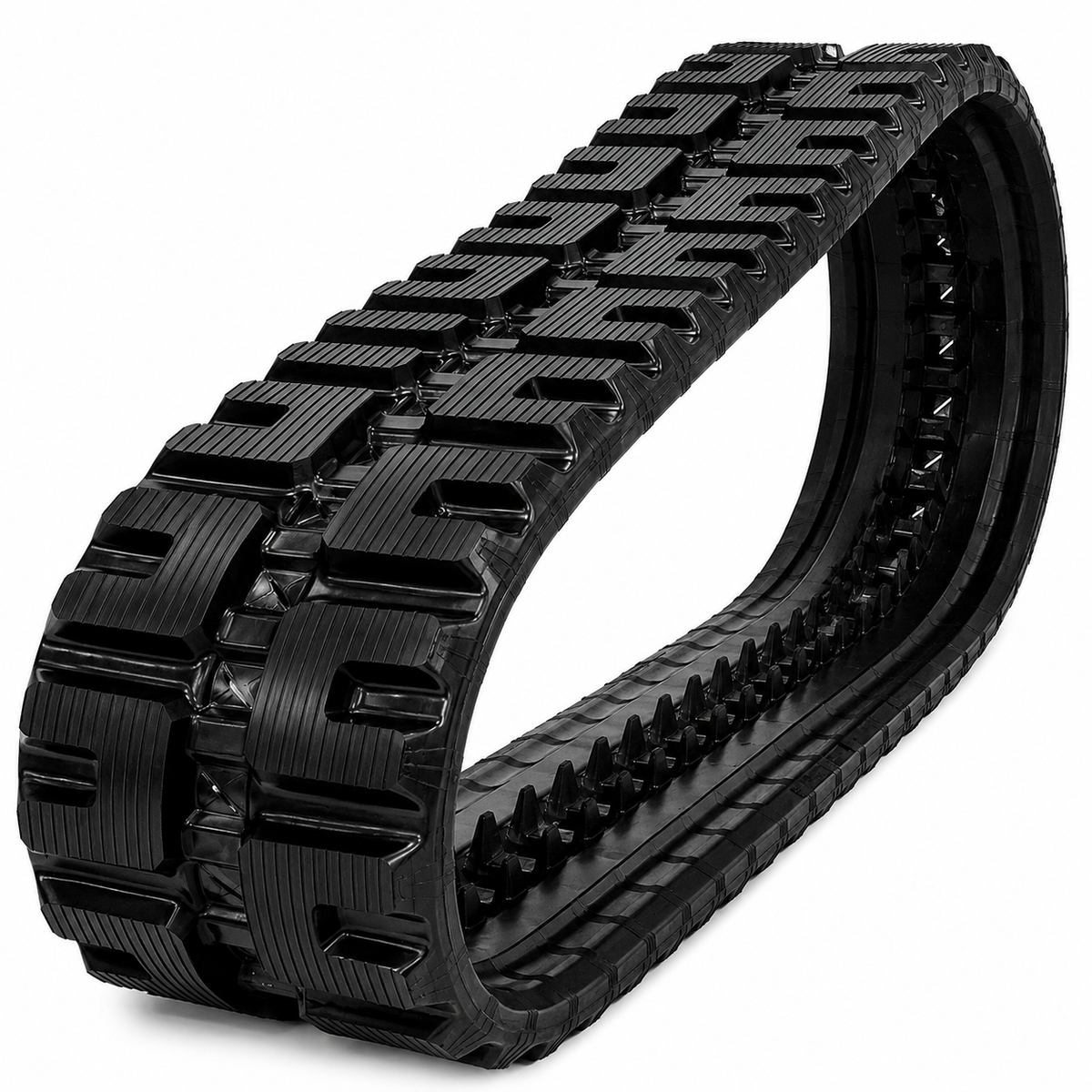
Reduce avoidable CTL undercarriage wear through route planning, smoother turns, debris control and a consistent inspection and cleaning routine.
Start with the route, not just the machine
Walk the work area and identify sharp rubble, rebar, curbs, abrupt edges and packed debris. Plan travel routes that reduce unnecessary exposure to those hazards. Rubber tracks are working components, not protection against every surface on a construction site.
Make turns deliberately
Use smooth, progressive turns where the available space and operating instructions allow. Repeated counter-rotation on abrasive surfaces can add wear. Avoid unnecessary high-speed travel and aggressive direction changes. The operator’s manual remains the authority for slopes, loads and permitted maneuvers.
Avoid forcing the track over obstacles
Do not straddle or ride along sharp edges where they load a small area of the track. Clear manageable obstructions using the site’s safe method and choose a better route when possible. If a strike or derailment occurs, stop and inspect before assuming the machine is ready to continue.
Pair operating habits with maintenance
Clean accumulated material, inspect for fresh cuts and keep track tension within the model-specific limits. Report unusual noise, vibration, leakage or recurring looseness. A good driving routine cannot compensate for a seized roller or damaged sprocket.
Use a simple site feedback loop
Record recurring damage by location and task. If several incidents happen on one access route, change the route or remove the hazard. Share findings during the shift handover so another operator does not repeat the same damaging maneuver. Keep photographs and machine hours to distinguish a single impact from progressive wear.
Browse compact track loader parts or find parts by machine.
Frequently asked questions
Does slower travel always prevent wear?
No. Speed is one factor; surface hazards, turning technique, loading and maintenance also matter. Follow the operating limits for the task.
Why avoid unnecessary counter-rotation?
Turning the tracks in opposite directions can increase scrubbing, especially on abrasive surfaces. Use smoother turns where safe and practical.
Can rubber tracks travel on paved surfaces?
Follow the machine and track manufacturer’s guidance. Limit avoidable scrubbing and abrasive travel, and choose an approved track for the work.
What should happen after a derailment?
Stop, secure the machine and arrange inspection of the track, tension system and undercarriage before returning to normal operation.
How can a fleet reduce repeat damage?
Record where and how damage occurs, improve routes or remove hazards, and share the findings between operators.
Manufacturer reference: Caterpillar operating guidance. Use your model-specific operator or parts manual for exact procedures and limits.