


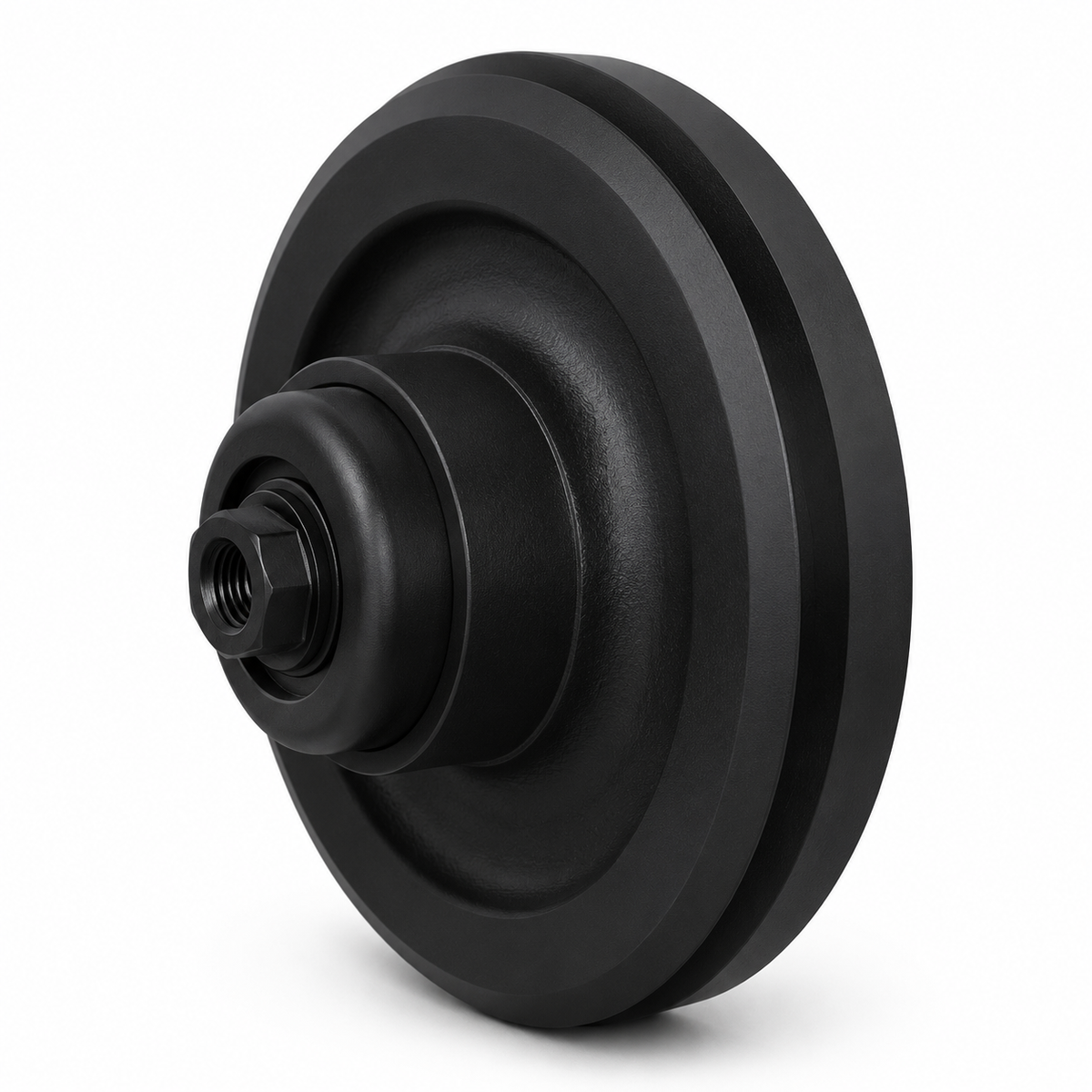
A practical end-of-day CTL cleaning routine: remove packed debris, protect seals, inspect wear and prepare the undercarriage for the next shift.
Clean before debris hides a problem
Packed soil can conceal damage and interfere with normal undercarriage movement. An end-of-shift clean makes leaks, cuts and loose components easier to find. The cleaning method should suit the material and the machine manufacturer’s instructions, particularly around seals, bearings and electrical components.
Secure the machine and remove loose material
Park and shut down as directed in the manual, with the attachment lowered and the machine secured. Use suitable hand tools from a safe position to remove accessible mud and loose stones. Keep hands away from pinch points. Do not crawl beneath unsupported equipment or run the tracks while cleaning beside them.
Use water carefully
Follow the manufacturer’s washing instructions and allow hot components to cool as required. Avoid directing a concentrated high-pressure jet into seals, bearings, breathers or electrical connections. Work methodically rather than increasing pressure to force out a stubborn obstruction. Contaminated wash water should be handled according to the site’s controls.
Pay attention before freezing weather
Material left packed around the undercarriage can harden or freeze. Remove it before parking for an extended period and follow the manual’s cold-weather storage guidance. Do not try to force a frozen or obstructed track to move; investigate and clear the obstruction safely first.
Finish with an inspection
Once surfaces are visible, check track damage, sprocket condition and signs of leakage. Photograph new defects and record the machine hours. Cleaning does not replace a tension measurement or a service inspection. Use the daily checklist before the next shift and arrange repairs where necessary.
Browse compact track loader parts or find parts by machine.
Frequently asked questions
Should I clean the tracks after every shift?
Inspect after each shift and remove accumulated material as needed. Mud, stone and freezing conditions may require more frequent cleaning.
Can I pressure-wash the undercarriage?
Use only the method and limits allowed by the manufacturer. Avoid concentrated jets at seals, bearings and sensitive components.
Can I run the tracks to clean them while standing nearby?
No. Stay clear of moving tracks and follow the approved cleaning procedure with the machine secured.
Why clean before a freeze?
Packed material can freeze and obstruct movement. Remove debris and follow the machine’s cold-weather parking guidance.
Does cleaning fix uneven track wear?
No. It exposes the components for inspection, but abnormal wear may need tension, alignment or component repairs.
Manufacturer reference: Bobcat undercarriage care guidance. Use your model-specific operator or parts manual for exact procedures and limits.