


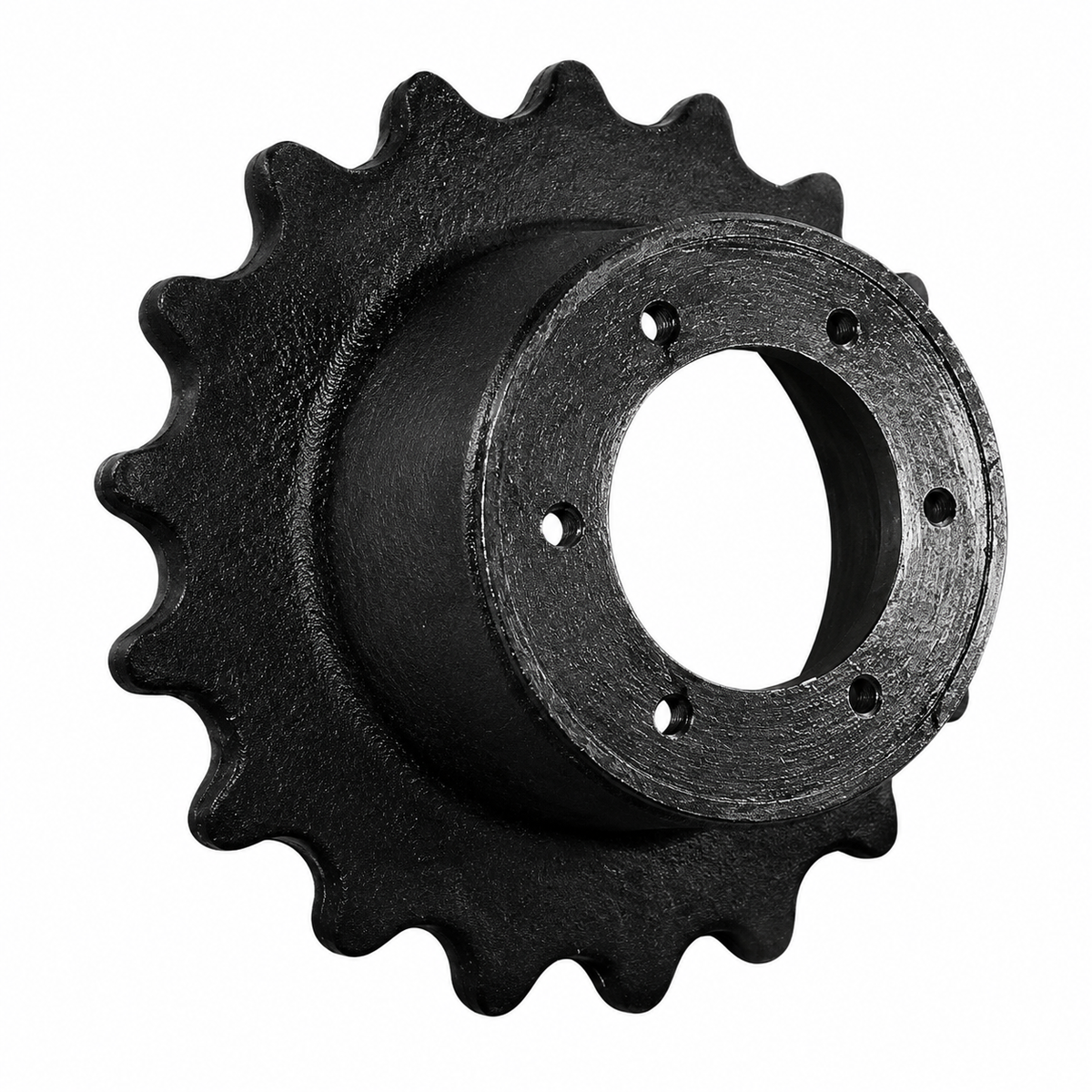
Follow a practical OEM cross-reference process: verify the original number, machine serial range, supersessions, dimensions and replacement listing.
Start with a reliable original reference
An OEM number identifies a manufacturer’s part or assembly. Obtain it from the correct parts catalogue, a verified invoice or a readable part marking, then check it against the machine model and serial number. A casting mark can differ from the service part number used to order a complete assembly.
Preserve the full number
Keep letters, leading zeros, hyphens and suffixes in your record. Search tools may ignore punctuation, but you should not assume that two slightly different references are equivalent. Photograph unclear characters instead of choosing between a zero and the letter O by guesswork.
Check supersessions and assembly scope
A newer reference may replace an older one, but check whether the change applies to your machine and whether extra hardware is required. Establish whether the number identifies a wheel, an assembly with shaft and bearings, or a kit. Comparing a bare component with a complete assembly can create an apparent price saving that disappears during installation.
Compare the replacement listing
Read the OEM cross-references, model applications, dimensions and mounting details together. For sprockets, verify the bolt pattern and relevant tooth specification. For rollers and idlers, compare the mounting arrangement and assembly supplied. Ask for clarification whenever the listing and the original part disagree.
Save the confirmed match
Keep the supplier’s product link and written fitment confirmation with the machine record. IPX uses OEM references to help identify replacement applications; a reference does not make an aftermarket item an original manufacturer’s product. Recheck the record if the machine configuration changes.
Browse compact track loader parts or find parts by machine.
Frequently asked questions
Is a casting number always an orderable OEM number?
No. A casting mark can identify a casting rather than the complete service assembly. Verify it against the relevant parts catalogue.
Can I ignore a suffix on a part number?
No. Preserve the full reference until the catalogue or supplier confirms what the suffix means.
What is a superseded number?
It is an older reference replaced by a newer one in the catalogue. Check applicability and any installation notes before ordering.
Does an OEM reference mean the replacement is genuine OEM?
No. An aftermarket listing can use an OEM reference for identification. Read the stated manufacturer and product description.
What if several replacements match the same number?
Compare the supplied assembly, dimensions, mounting and machine application, then obtain clarification before purchase.